Building a video game archive 10,000 items at a time
Inside the Embracer Group Archive
The Archivio Storico Barilla and its pasta museum house the oldest spaghetto in the world, dating back to 1837. It’s searchable online archives tell the entwined stories of both Barilla and Italian pasta.
The public LEGO House, the private LEGO Idea House, and the secretive and hidden LEGO Archives are home to every LEGO set ever released, the desk once used by the company founder, and stacks of design documents, office memos, and letters.
While still in its relative early stages, the Embracer Games Archive is already home to some intriguing and useful video game history and wonders.
And like those other, older museums, the games archive is already being put to good use by researchers and experts in the craft.
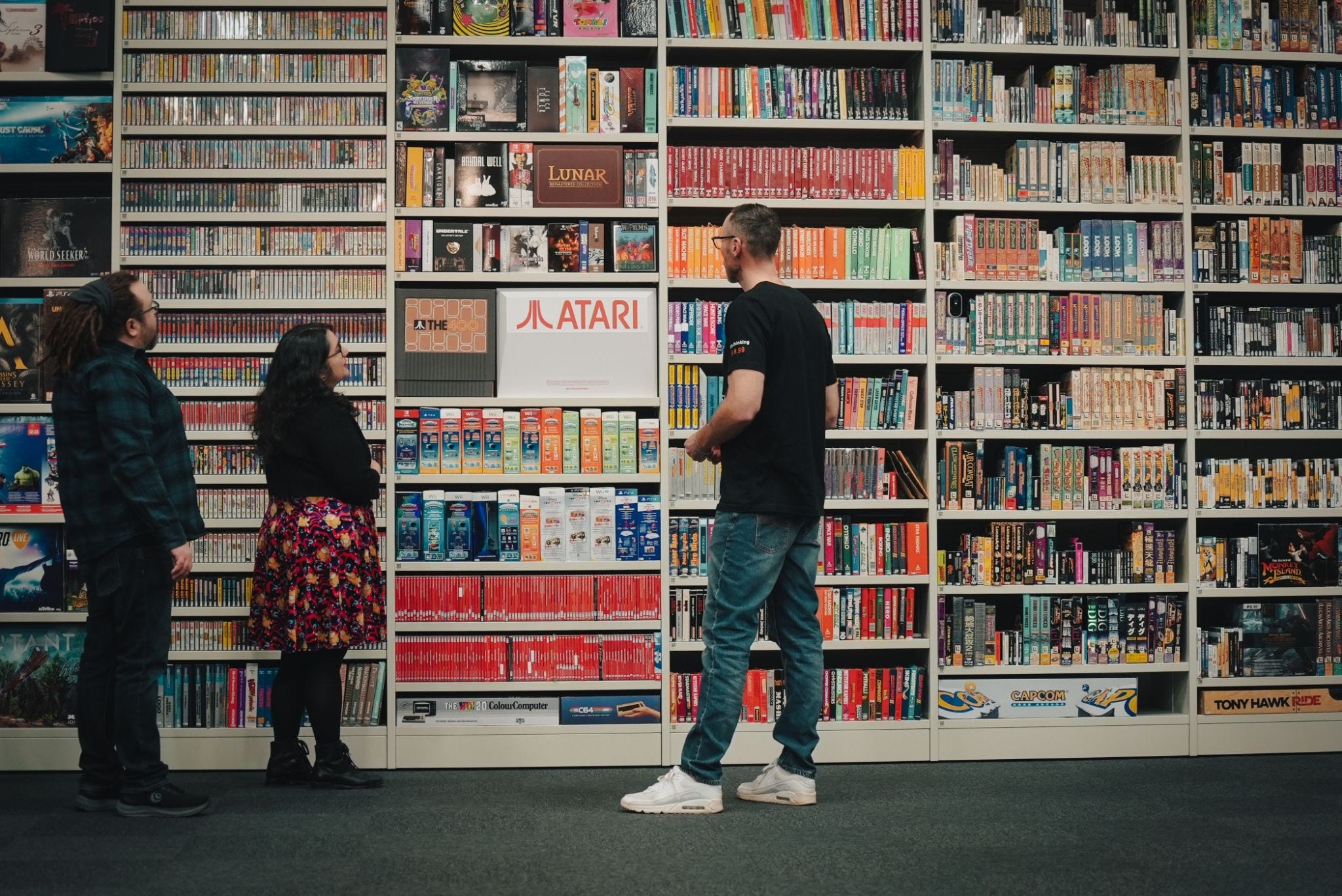
“The archive is already in active use, and we’re always happy to support projects that benefit gaming culture and the gaming industry,” said David Boström, CEO at Embracer Games Archive. “We’ve worked with authors, including Lost In Cult, who create detailed books and have spent time here photographing items. We also assist companies that no longer have their own legacy materials. When they own the IP, we can scan original releases for reissues. We’ve hosted researchers, supported university collaborations, and lent items to exhibitions.
“One of my favorite examples was helping with the development of the Atari 2600+. Developers brought prototype hardware here to test compatibility with original games. We are currently assisting with the upcoming Neo Geo AES+ as well.”
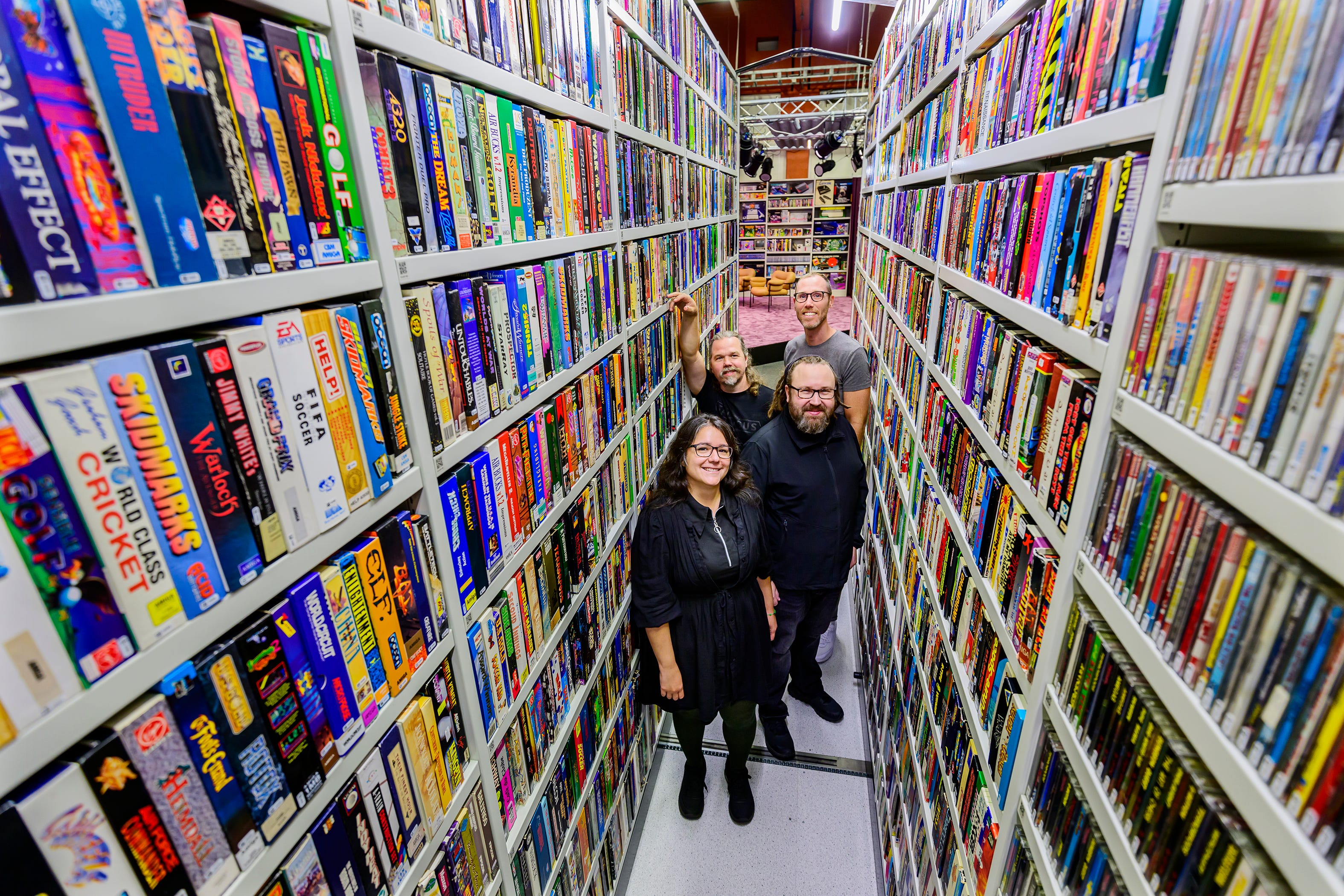
The archive, currently located in an old Game Outlet Europe warehouse in Karlstad, Sweden, currently houses 90,114 objects, as of late May. Boström estimates that about 87 percent of the collection are games, with the remaining collection split between consoles, computers and accessories.
While work on the archive started in 2022, the staff of four (Boström, an archivist, a supply manager, and a technical engineer) are still meticulously making their way through the collection.
The concept for the archive was born out of Embracer Group co-founder Lars Wingefors collection. Wingefors founded the original Nordic Games in 1993 at the age of 16, selling used video games by mail order. He also slowly started building up a private collection.
“About seven years ago, he started to reflect on how this collection could serve a greater purpose,” Boström said. “He realized it could become a valuable resource for both the games industry and gaming culture, and that it could form the foundation of a proper archive for video games.”
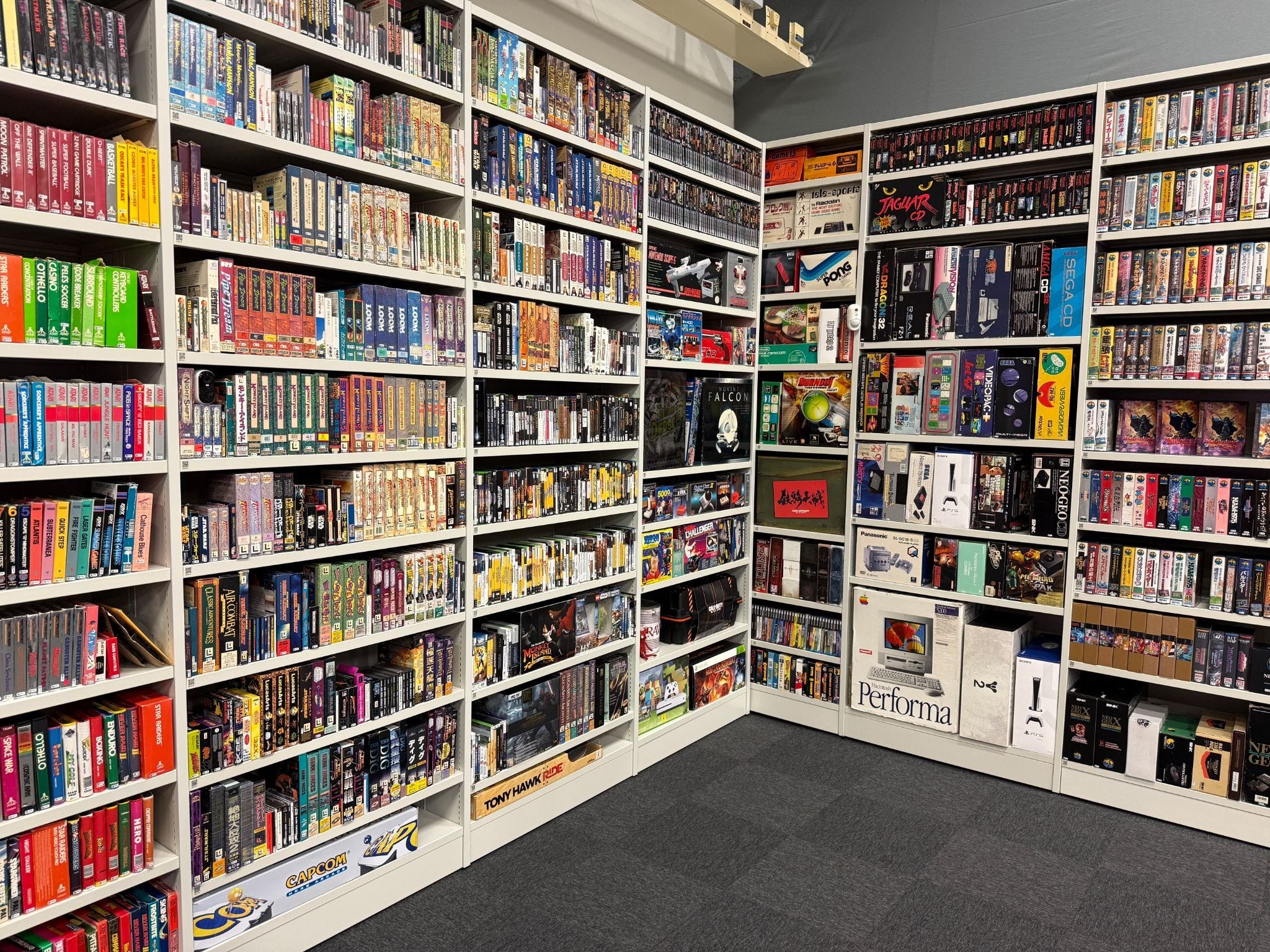
By the time the archive was announced in 2022, the collection had about 50,000 items in it and Boström and his small team were tasked with the challenge of building an archive from scratch.
“The first challenge was simply to gather everything that had previously been acquired in one location,” he said. “There was quite a bit of logistics to solve, but everything went smoothly, and within a couple of months all items were in place at the archive facility.”
The collection came to the archive in more than a thousand boxes packed onto about 100 pallets.
“It was an incredible sight, and something that still gives me goosebumps thinking about it,” Boström said. “Those months were a lot of fun. Together with my colleagues, we unpacked every single box and were constantly surprised by what we found. It felt like Christmas multiplied by a hundred and every day it was hard to stop without opening just one more box. Eventually, everything was unpacked and placed on the newly acquired archive shelves. Once everything was safely stored, we moved on to the next key step, cataloguing everything into our newly created database.”
The group decided that before digging into the details of each item in the collection they needed to have a quick overview of what the new archive consisted of. To that end, they limited their database to just a few essential fields: title, object ID, platform, storage location, and which collection the item originated from.
With that baseline established, the archivist is now working through what the team calls iteration three.
“In this phase, we will open every single game and document its contents in detail, both through metadata and high-resolution photography,” Boström said.
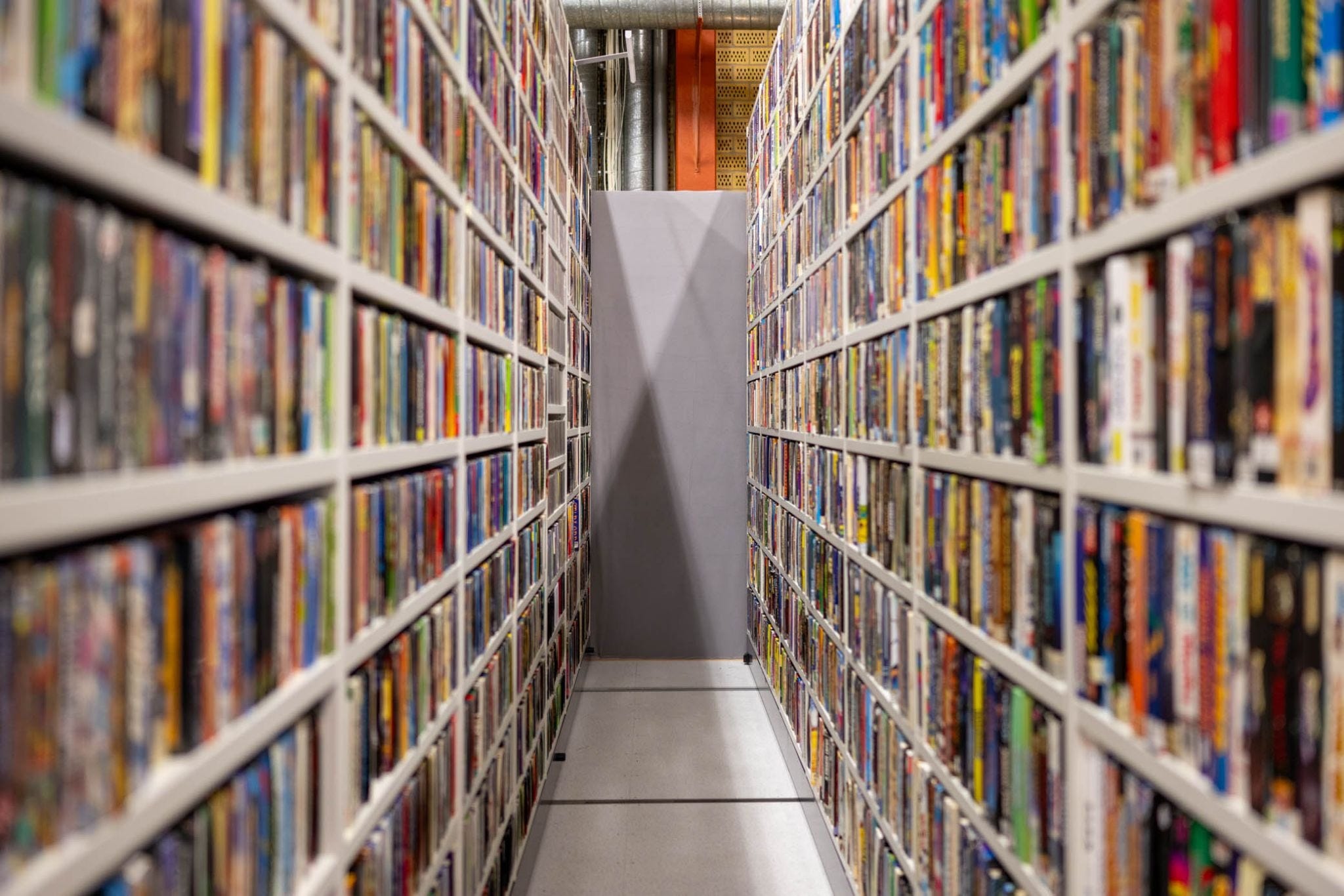
The archive is also actively working to expand its collection. It’s already grown to 90,114 objects.
“Since we are still in a relatively early phase of building the archive, we prioritize acquiring larger collections, ideally complete ones assembled by dedicated collectors, such as all releases for a specific system,” he said. “Over the years, we’ve been fortunate to acquire several collections like this, and the people we’ve worked with have been pleased to see their collections live on in the archive and serve a greater purpose.”
Boström noted that the archive is in the process of acquiring a major collection from the United States.
“American releases are an area where our collection has been relatively limited, so this will significantly strengthen that part of the archive,” he said. “The acquisition includes several complete sets, such as Nintendo 64, Nintendo Entertainment System, and Sega Genesis/Mega Drive.”
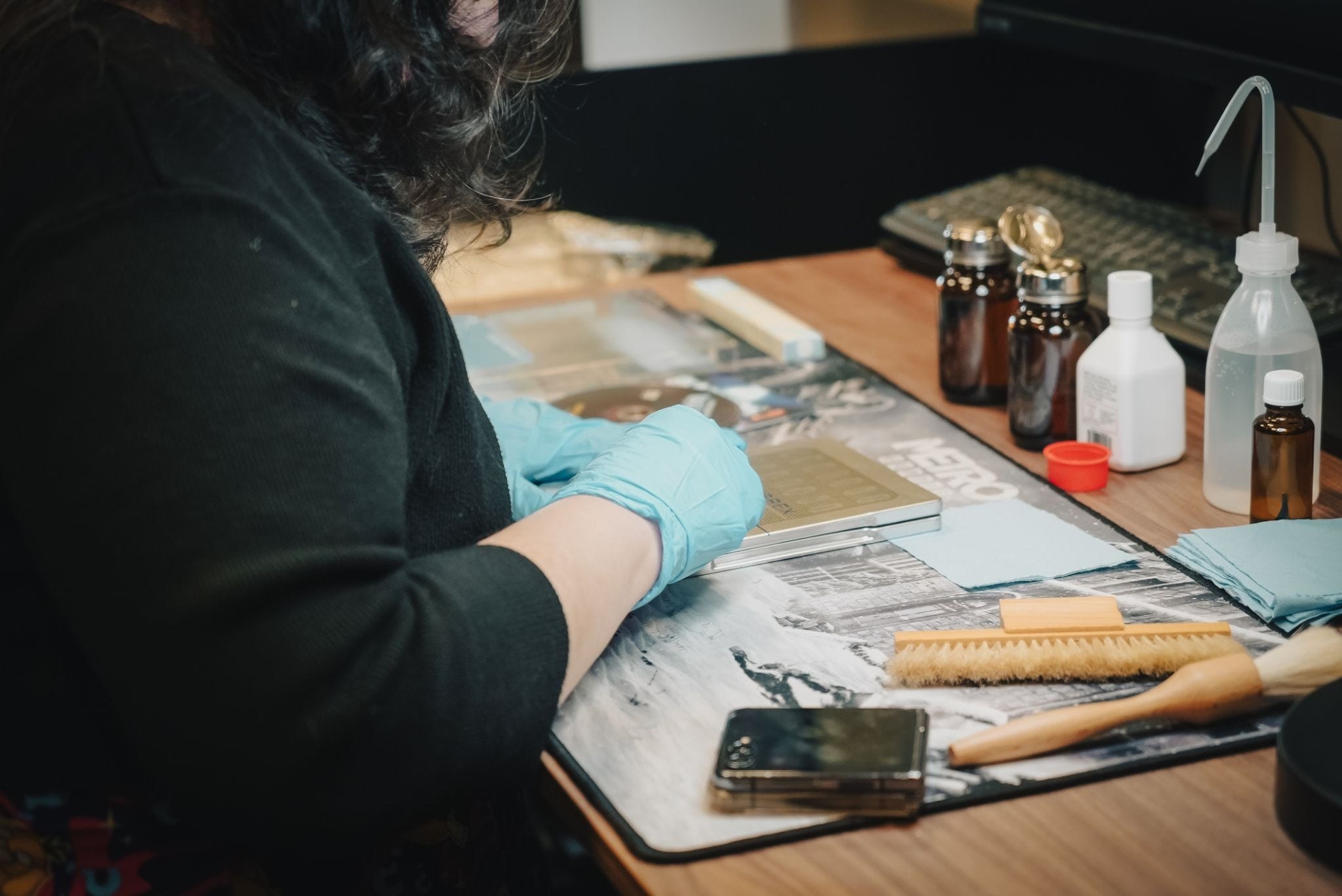
While cataloging and acquiring items for the collection are important steps in maintaining and growing the archives, ensuring that the items in the collection both function and don’t degrade are equally important.
The Embracer Games Archive monitors temperature and humidity at the facility, but the group is also planning on incorporating a more specialized facility for items that need more care.
“All visits are supervised by archive staff, and any handling of objects is done by us to minimize wear and risk,” Boström said.
Allowing access to the growing collection is, of course, one of the most important elements of gathering together such an enormous slice of video game history.
Currently, that access is very limited, but Boström hopes to see it expand soon.
“We do plan to make the database publicly accessible in the future via our website, although no timeline has been set yet,” he said. “In the meantime, our Technical Engineer, Jukka, has developed a simple and effective solution where an AI chatbot can access a CSV export from the database. This has proven to be a very useful tool, as it can provide clear answers and give a good overview of what is currently in the archive. We provide access to this tool for researchers, exhibition planners, and others who reach out to us.”
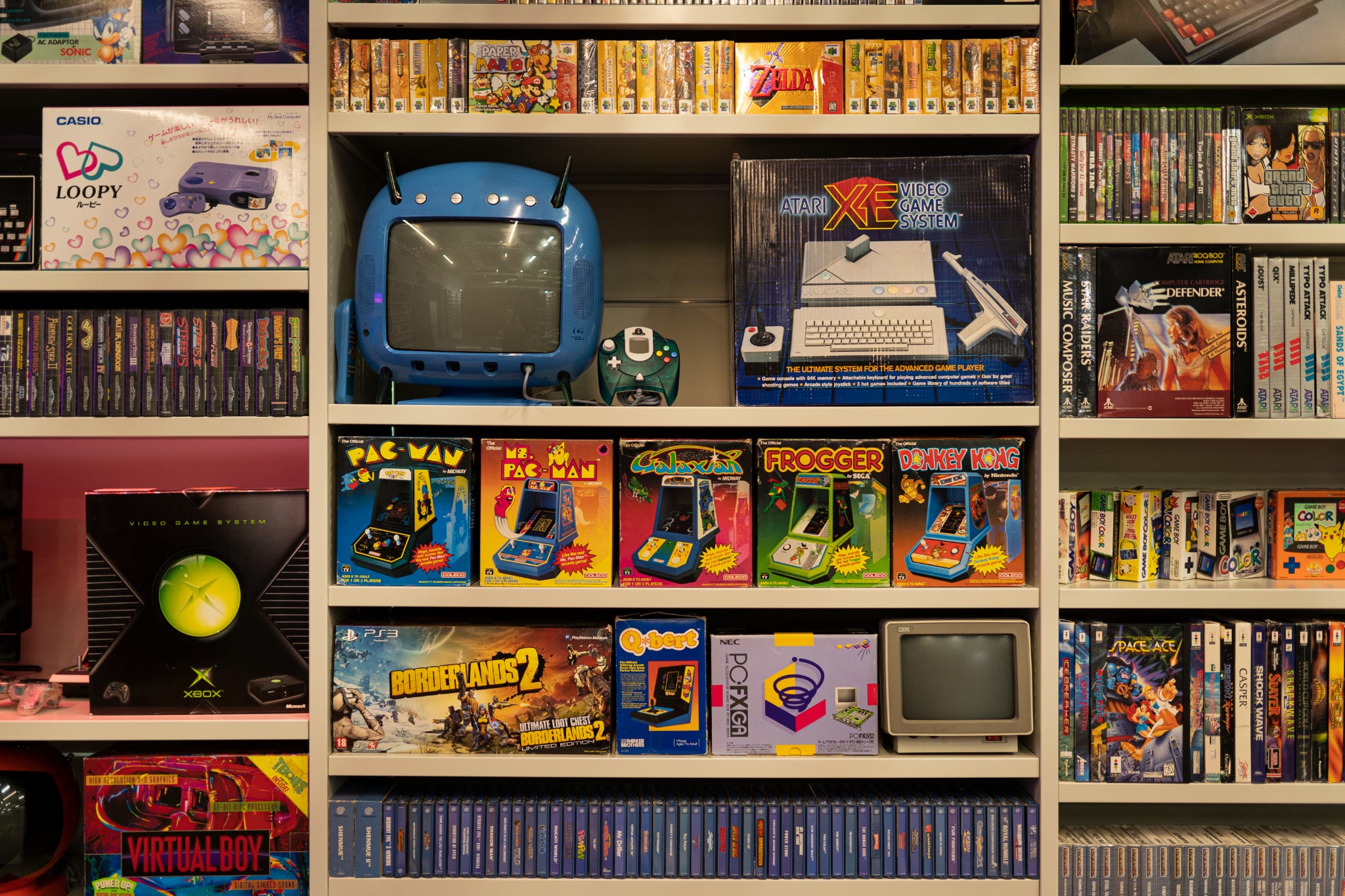
Boström said the Embracer Group, which funds the non-profit, sees the archive as a “meaningful long term investment, not only in preserving the cultural heritage of video games but also in making it accessible for research, education, and future generations.”
For himself, Boström said he feels a strong responsibility to build, with his team, the best archive possible.
“It’s been a very educational journey,” he said. “There’s a lot to consider when building something like this from the ground up. One of the most important things is having a clear, shared plan and solving things step by step, which I think we’ve done well. Now that we have a solid foundation, a key part of my role is also to spread awareness of the archive.”
Video game history hasn’t historically had the support it deserves. Relatively recent work by groups and individuals is helping to change that before the early history of video games is completely lost.
Like most involved in the research and preservation of video game history, Boström believes strongly in the need for archives.
“Games are one of the largest cultural and entertainment forms today,” he said. “Like with other cultural media, it’s important to be able to look back and understand how it has evolved. When so much of gaming history is preserved in one place here in the archive, it becomes an incredibly powerful resource, almost like a time capsule.”
As a collector myself, I couldn’t help but ask about the archive’s collection of handheld gaming systems. I’ve managed to acquire about 250 unique systems dating back to 1975. I was curious how it compared.
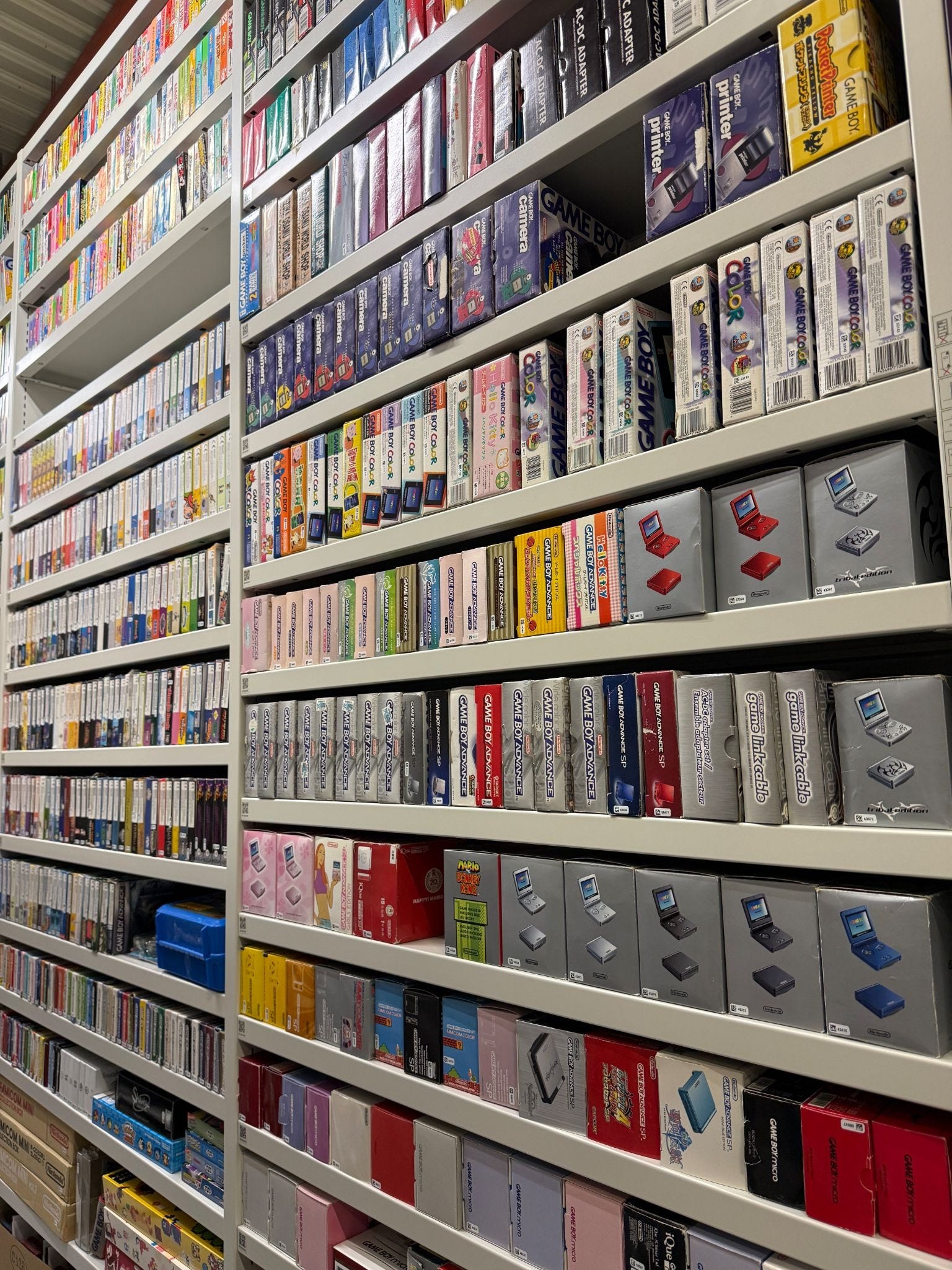
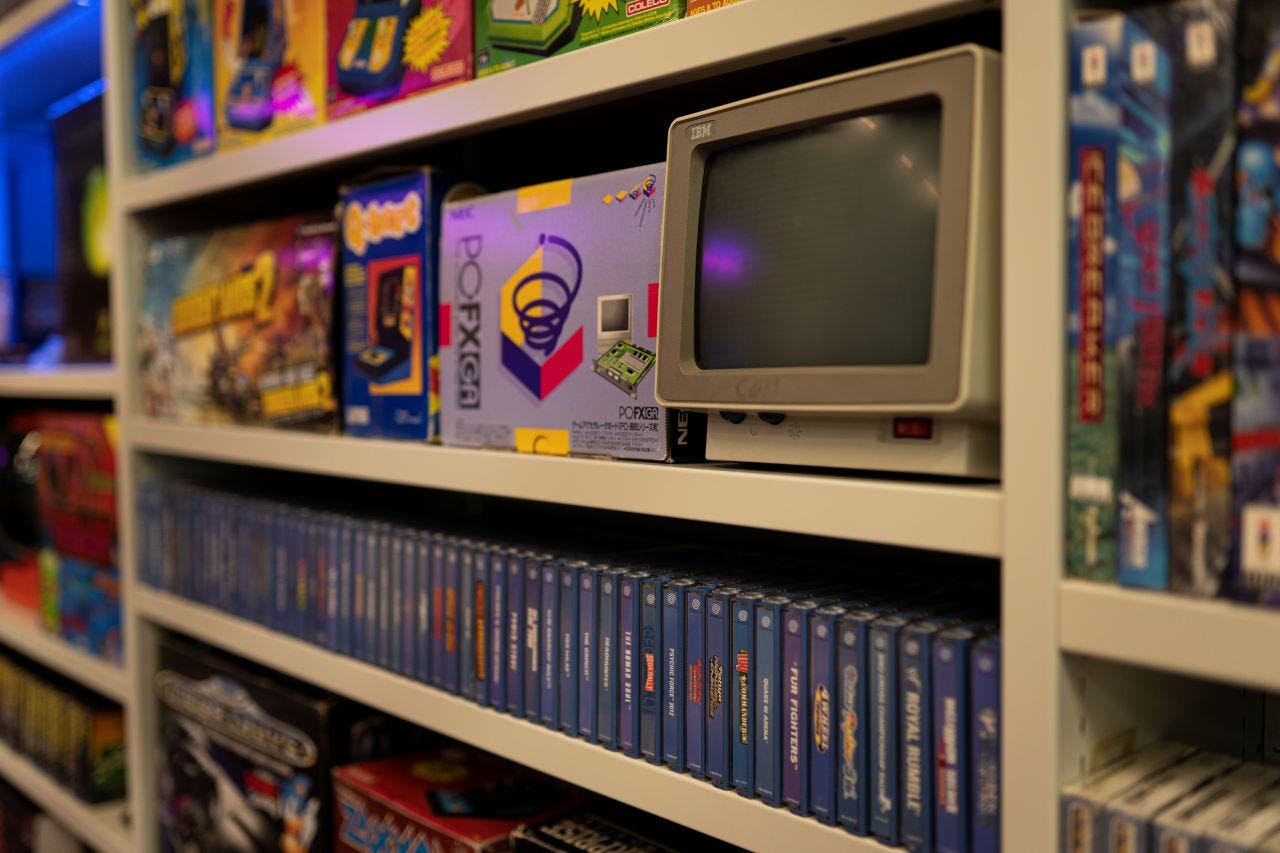
“We have a strong selection of handheld gaming systems,” Boström told me. “I’ve included an image of one of our shelves where we have many of Nintendo’s different systems on display. We also have a complete set of all Game and Watch titles, which is a personal favorite of mine. So far, we haven’t been able to go through and service every individual system, but whenever we come across something that isn’t working and needs attention, our Technical Engineer Jukka, who specializes in restoring older electronics, handles it.”
All told, the collection has about 700 handheld games as well as a large number of handheld consoles, he said.
Boström said one of the things that he’s come to realize through his work is just how much he didn’t know.
“One of the most fun discoveries was finding a Nintendo Game Boy–branded sewing machine that can stitch Nintendo-themed patterns,” he said. Another personal favorite is “a special Swedish edition of The Legend of Zelda: A Link to the Past for the Super Nintendo. It was released in Sweden with a larger box and an included game guide, known as the ‘Gold Pack,’ and it’s quite sought after today.
“What makes it even more special is its story. Someone from my hometown reached out to us and they had kept it since its original release and wanted to ensure it would be preserved in the archive.”
It is that sort of interaction that Boström said makes he and the others at the archives feel so grateful for the work they do.
“We look forward to continuing to build and grow this important collection,” he said. “If anyone reading this would like to get in touch, whether to collaborate, contribute, or simply learn more, please don’t hesitate to reach out, as our website is the easiest way to contact us.
Elsewhere
Creating the controlled chaos and chilling urgency of Star Wars Escape Vader in Fortnite