
The "Xbox reset" was already prototyped on a handheld
The next Xbox could be every Windows PC

It’s been a bit more than 100 days since Asha Sharma was named Xbox CEO, a period of time that saw a drop in the price of the Xbox Game Pass subscription, the removal of Copilot from Xbox, a broader leadership shuffle, and a promise to “celebrate our roots with a renewed commitment to Xbox.”
A week into her second 100 days, Sharma is signaling what that promise might mean in action.
In a memo sent to Team Xbox employees globally and published on Xbox Wire on Wednesday, following a Bloomberg story, Sharma and Xbox CCO Matt Booty outlined what they described as the “realities” that the company needs to navigate.
“We won’t succeed by hiding hard truths, nor will we succeed by doing the same thing and expecting different results,” Sharma wrote on X, along with a link to the published memo.
The memo kicks off by saying something I’ve heard former Nintendo of America president Reggie Fils-Aime say for years: The real competition for a console isn’t other systems, it’s entertainment. The entire game industry is competing in an attention economy.
Then the two get to brass tacks.
The memo is alarmingly blunt and forthright, detailing the business rationale for what will surely result in layoffs, the closure or sale of some studios, and a shift in the console's business model.
What I find most interesting, though, is the discussion of hardware and platform.
The memo points out that Xbox is in a hardware-component crisis and that, while the industry as a whole is affected, they feel Xbox has been affected “more greatly than many of our peers.”
“We need a new business model and partnerships for hardware as we remain committed to (the next Xbox codenamed) Helix.”
Further down in the memo, the two point out that Xbox’s current platform infrastructure is not built for the battle ahead and that they will need to evolve and rebuild their stack.
Placed side by side, these two major issues and the concerns raised can’t help but make me think of one thing: handhelds.
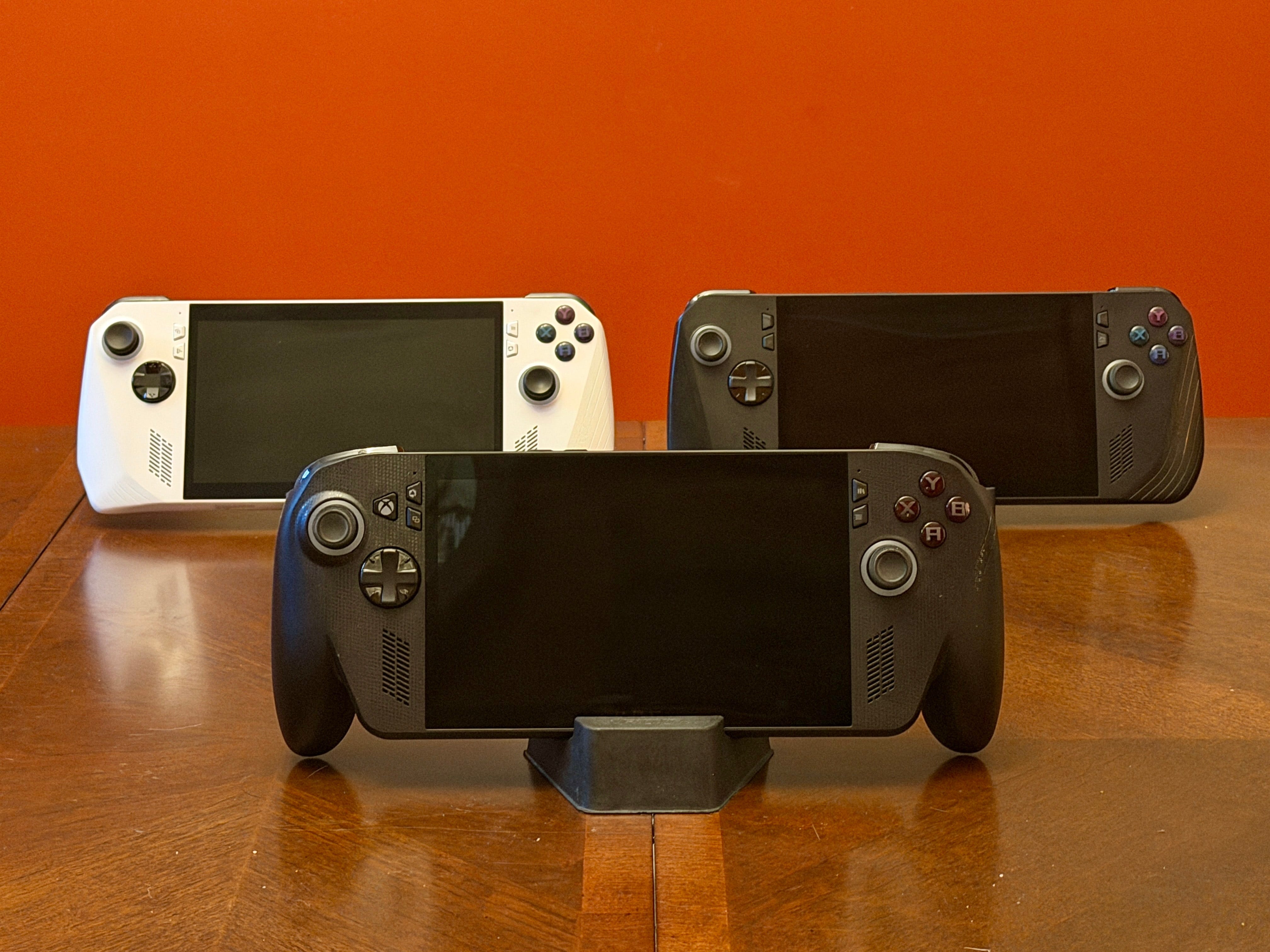
Yes, yes, I know. I’m a bit obsessed.
But here’s the thing.
Microsoft and Xbox have already tested the waters for a potential solution to both their hardware and platform problems.
In terms of hardware, my take on the memo is that while Xbox will still release its own flagship Xbox, the “new business model and partnerships for hardware” means they’re going to open the door for licensed third-party hardware, allowing them to eventually exit the subsidy business permanently.
In some ways, the ASUS ROG Xbox Ally tested the waters for this. Think of a third-party Helix as an upscaled version of the Ally.
Now, let’s look at the question of the platform. The memo notes that Microsoft needs to become more self-reliant as an engineering culture. And Microsoft’s biggest distribution advantage, by far, is Windows.
Once more, the ASUS ROG Xbox Ally shows us a path forward for Xbox. The handheld launches directly into a full-screen Xbox experience on boot-up. Once in there, players access their library no matter what store they bought their PC titles from. More importantly, the Xbox experience on the Ally Xbox reclaims about 2GB of RAM, according to Microsoft, and reduces CPU activity. Both big gains for game developers and game players.
The smart play here would be to take that experience and expand it to all Windows-running computers. Imagine a system that will let you decide to boot into Xbox mode or press a button to switch to Xbox mode. Think Steam Big Screen mode, but for Windows and with support for all stores. It essentially turns every Windows-running computer in the world into an Xbox.
Microsoft has already tried and failed to break into the store business. I don’t see them buying up or being able to buy up a competitor. (Though a Discord purchase could lead to something interesting, and I do think Microsoft will be launching a mobile store.)
The smart move is to lean into what Microsoft already has, make Xbox the default gaming layer for Windows, and monetize through Game Pass and the engagement the company knows is the future.
The strategy here is to stop fighting to be the number one console manufacturer and instead focus on the gaming activity already happening on the screens Microsoft controls.
Xbox still wants to have a console, but this platform approach gives them a business that no longer lives or dies based on the price of memory and storage.
Disclosure: I run a consulting business, Pad & Pixel, whose clients include companies that compete with Microsoft in game distribution.
Elsewhere

Creating the controlled chaos and chilling urgency of Star Wars Escape Vader in Fortnite
GOALS: The new free-to-play soccer game where you build your own team